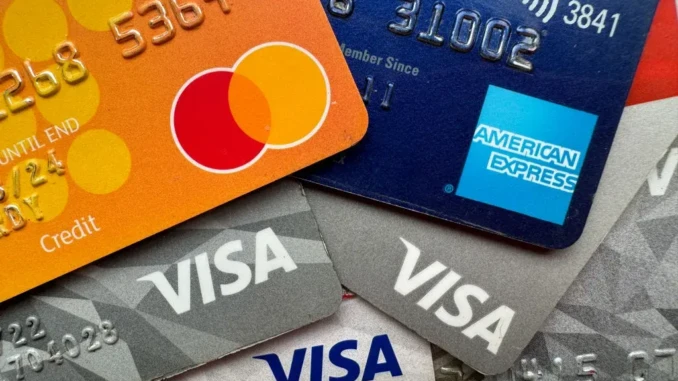
Discover the best credit cards for bad credit in 2026. Compare secured and unsecured options, rebuild your credit history, and improve your credit score responsibly.
Having a low credit score doesn’t mean you’re out of options. In 2026, many banks and financial institutions continue offering credit cards designed specifically for people with poor or limited credit histories. The right card can become a powerful financial tool, helping you rebuild your credit profile while giving you access to everyday purchases and emergency spending.
Whether your credit score dropped because of missed payments, high balances, bankruptcy, or simply because you’re just starting your credit journey, choosing the right credit card is the first step toward improving your financial future. Most experts recommend secured credit cards because they typically have higher approval rates and report your payment history to the major credit bureaus.
Why Your Credit Score Matters More Than Ever
Your credit score affects much more than your ability to qualify for a loan. It can influence:
- Mortgage approval
- Auto loan interest rates
- Personal loan eligibility
- Apartment rentals
- Insurance premiums in some states
- Credit card rewards and limits
A higher credit score often translates into lower borrowing costs. Even improving your score by 50 to 100 points can make a noticeable difference over time.
What Is Considered Bad Credit?
Generally, a FICO Score below 580 is considered poor credit, while scores between 580 and 669 fall into the fair credit range. Although these scores may limit your choices, they don’t prevent you from rebuilding your financial reputation.
The most common reasons people have bad credit include:
- Late or missed payments
- High credit utilization
- Collections
- Bankruptcy
- Short credit history
- Too many recent credit applications
Fortunately, responsible use of the right credit card can gradually reverse many of these issues.
Best Credit Cards for Bad Credit in 2026
Capital One Quicksilver Secured Cash Rewards Credit Card
One of the strongest secured cards available in 2026, this card combines credit-building features with cash-back rewards. Unlike many secured cards from previous years, it allows cardholders to earn rewards while improving their credit history.
Highlights
- No annual fee
- Cash-back rewards
- Reports to all three major credit bureaus
- Opportunity to upgrade in the future
Discover it® Secured Credit Card
Many financial experts continue recommending this card because it offers rewards while reviewing eligible accounts for graduation to an unsecured card after several months of responsible use.
Capital One Platinum Secured
A popular choice for first-time credit builders, this card often requires a relatively small security deposit compared to the available credit limit.
Ideal for people who want a simple card without unnecessary features.
OpenSky® Secured Visa®
One of the biggest advantages of this card is that applicants may qualify without a traditional credit check, making it attractive for consumers rebuilding after serious financial setbacks.
Chime Secured Visa Credit Card
This newer option has become increasingly popular because it combines modern banking tools with responsible credit-building features. Many users appreciate its straightforward approach and lack of complicated fees.
Bank of America Customized Cash Rewards Secured
Consumers who want cash-back opportunities while rebuilding credit often consider this card a solid option. It provides flexibility in reward categories while helping establish positive payment history.
First Progress Prestige Mastercard
This secured card appeals to borrowers looking for competitive interest rates compared with other cards aimed at rebuilding credit. It also reports monthly activity to the major credit bureaus.
Secured vs. Unsecured Credit Cards
Secured Cards
Secured cards require a refundable security deposit that usually becomes your credit limit.
Advantages
- Easier approval
- Better odds of rebuilding credit
- Lower risk for lenders
- Often fewer surprise denials
Unsecured Cards
These cards don’t require a deposit but may include:
- Higher interest rates
- Annual fees
- Lower credit limits
- Stricter approval requirements
For most people with poor credit, secured cards remain the safest starting point.
How to Use Your Card to Increase Your Credit Score
Getting approved is only the beginning.
The habits you develop afterward matter much more than the card itself.
Always Pay on Time
Payment history represents the largest factor in most credit scoring models.
Even one missed payment can slow your progress significantly.
Keep Your Balance Low
Experts generally recommend using less than 30% of your available credit limit.
If possible, staying below 10% may help even more.
Avoid Multiple Applications
Every credit application can generate a hard inquiry.
Submitting several applications within a short period may temporarily reduce your score.
Review Your Credit Report
Errors happen more often than many people realize.
Checking your reports regularly helps identify inaccurate information that could be hurting your score.
Common Mistakes That Slow Credit Recovery
Many people unknowingly make choices that delay their financial progress.
Some of the most common include:
- Paying only the minimum balance every month
- Maxing out the available limit
- Missing due dates
- Closing old accounts unnecessarily
- Applying for several cards after being denied
Small improvements, repeated consistently over time, usually produce better long-term results than trying to rebuild your credit overnight.
How Long Does It Take to Improve Bad Credit?
The answer depends on your financial history.
If you make every payment on time and keep balances low, many consumers begin seeing improvements within six to twelve months. Larger increases often require a longer period of consistent positive behavior. Financial experts emphasize that responsible usage—not simply opening a new account—is what drives meaningful score improvement.
Suggested Internal Links
- How to Improve Your Credit Score Fast
- Best Personal Loans for Bad Credit
- How Credit Scores Work
- Secured vs. Unsecured Credit Cards Explained
- Best Budgeting Apps in 2026
Suggested Images and Infographic
Featured Image
- Person holding a credit card while reviewing a credit score dashboard.
Infographic
- Credit Score Ranges (300–850)
- Factors Affecting Your Score
- Timeline for Credit Recovery
- Tips to Build Credit Faster
Frequently Asked Questions
Can I get a credit card with a credit score below 580?
Yes. Several secured credit cards are designed specifically for people with poor credit and typically offer higher approval rates than traditional rewards cards.
Will a secured credit card improve my credit?
It can, provided the issuer reports to the major credit bureaus and you consistently make on-time payments while keeping your balances low.
How much should I spend on a secured credit card?
Financial experts generally recommend keeping your balance below 30% of your available credit limit and paying the full balance each month whenever possible.
Can I upgrade from a secured card?
Many issuers periodically review accounts and may allow eligible customers to graduate to an unsecured card after demonstrating responsible credit use for several months.

Sé el primero en comentar